
In an age when attention spans are shrinking and inboxes are overflowing, fine paper and envelopes give print its most powerful edge — tangibility. For printers seeking growth, differentiation, and higher profit margins, specialty substrates represent a smart business strategy rather than an indulgence.
The Power of Touch and Perception
Humans are sensory creatures. While digital messages vanish in seconds, paper endures — activating sight, touch, and even emotion. Studies confirm that print on textured or specialty substrates boosts purchase intent by more than 50%, while tactile engagement can increase response rates by over 90%. This is the science of haptics: texture and weight influence how consumers perceive quality and value. The moment a client’s fingers meet a soft-touch, linen, or metallic stock, it conveys credibility, permanence, and prestige.
That’s why brands across industries — from law firms to luxury retailers — rely on fine papers to communicate authority and elevate brand recognition. Up to 80% of brand recognition comes from color alone, and offering accurate color matches on premium substrates creates repeat business opportunities that commodity stocks simply can’t deliver.
Performance That Pays
Fine papers aren’t just beautiful — they’re engineered for performance. Premium mills maintain tight tolerances for caliper, moisture, and smoothness, ensuring trouble-free runs on digital, offset, and specialty presses. They offer superior ink holdout and color fidelity, yielding crisp, vivid output that helps printers stand out for quality and reliability. Specialty synthetics like Kernow even expand applications, providing antimicrobial, tear-proof, and cleaner-resistant surfaces ideal for menus, IDs, and signage. These features open new markets while reducing waste and downtime.
Economics of Fine Paper
The numbers tell the story. Research from NAPCO and Profectus shows that printers focusing on fine and specialty substrates report margins of 20–80%, compared to just 2–10% on commodity work. They attract clients willing to pay for expertise and differentiation rather than discount pricing. Specialty offerings also create security through diversity — reducing reliance on any one service line and increasing business resilience. By offering unique textures, sustainable fibers, or metallic finishes, printers insulate themselves from the race to the bottom on price.
Sustainability and Trend Leadership
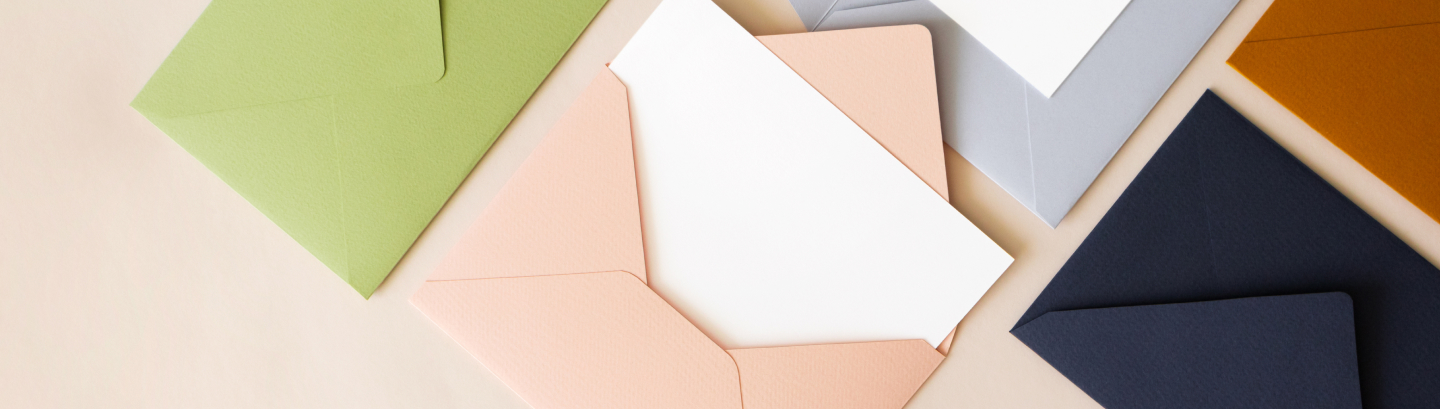
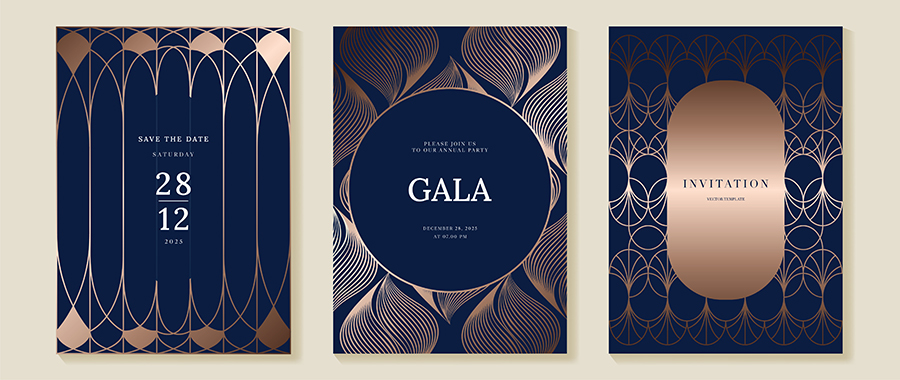
Today’s buyers are also conscious consumers. Over 85% consider sustainability in purchasing, and 60% are willing to pay more for it. Fine papers made from hemp, wheat, cotton, and post-consumer fibers give printers a chance to align with eco-driven brands while adding a “sustainability bump” to their value proposition. Likewise, metallic papers — especially gold tones — have seen renewed popularity as symbols of luxury, heritage, and trust. A mere two-cent upgrade per envelope can deliver a massive lift in perceived value and open rates.
Educate and Inspire
Printers who thrive with fine paper don’t just sell stock — they teach value. They train teams to speak the language of benefits, not specs; they keep swatches and samples handy; and they tier their offerings to help customers see tangible differences. When clients understand the power of texture, color, and quality, they spend more — and stay loyal.
In a world dominated by the digital, fine paper and envelopes turn print into an experience. They don’t just win attention — they win clients and boost margins.
 Share on Facebook
 Share on X
 Share on Pinterest
 Share via Email